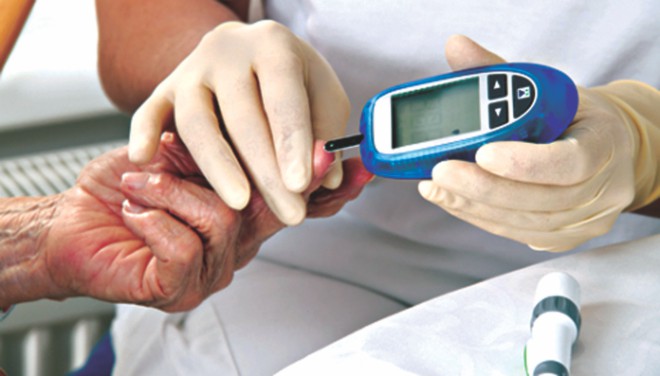
 1 in 2 people with diabetes don’t know they have it: Diabetes is silent and a big challenge for the 21st century. It is a chronic, incurable, costly, and increasing, but largely preventable non-communicable disease (NCD) which is responsible for millions of deaths annually, debilitating complications, and incalculable human misery.
In order to unite and inspire global diabetes community to produce a powerful voice for diabetes education, World Diabetes Day is observed every year on November 14. Experts tell that everyone is concerned and everyone has a role to play in helping to turn the tide of diabetes to protect our future.
There are many risk factors for type 2 diabetes. They include: Obesity and overweight, lack of exercise, previously identified glucose intolerance, unhealthy diet, increased age, high blood pressure and high cholesterol, a family history of diabetes, history of diabetes during pregnancy, ethnicity etc.
Once identified, people at high risk of diabetes should have their plasma glucose levels measured by a health professional to detect Impaired Fasting Glucose or Impaired Glucose Tolerance, both of which indicate an increased risk of type 2 diabetes.
Prevention efforts should target those at risk in order to delay or avoid the onset of type 2 diabetes. There is substantial evidence that achieving a healthy body weight and moderate physical activity can help prevent the development of type 2 diabetes. In primary prevention there is an important role for the diabetes educator to help people understand the risks and set realistic goals to improve health.
International Diabetes Federation (IDF) recommends a goal of at least 30 minutes of daily exercise, such as brisk walking, swimming, cycling or dancing. Regular walking for at least 30 minutes per day, for example, has been shown to reduce the risk of type 2 diabetes by 35-40.
At present, type 1 diabetes cannot be prevented. The environmental triggers that are thought to generate the process that results in the destruction of the body’s insulin-producing cells are still under investigation. Type 2 diabetes, however, can be prevented in many cases by maintaining a healthy weight and being physically active.
Unless action is taken to implement effective prevention and control programmes, the total number of people with diabetes will reach 380 million by 2025.
The explosion in diabetes will overwhelm healthcare systems everywhere and subvert the gains of economic development. Investment in diabetes education and diabetes prevention programmes will save money in the long term and deliver significant returns in quality of life for people with diabetes and people at high risk of diabetes.
Source - The Daily Star
 সম্প্রতি এক গবেষণায় জানা গেছে, কম বয়সে অ্যান্টিবায়োটিক খেলে পরবর্তী ক্ষেত্রে মানব শরীর বিভিন্ন ধরনের রোগ প্রতিরোধ করতে সক্ষম থাকে৷ কলোম্বিয়ার ব্রিটিশ বিশ্ববিদ্যায়লের এ গবেষণা অনুযায়ী, অন্ত্রে বিভিন্ন ধরনের ব্যাকটেরিয়া বিরাজ করে, যা রোগ প্রতিরোধ ক্ষমতা স্বাস্থ্যকর রাখে৷
কিন্তু...
সম্প্রতি এক গবেষণায় জানা গেছে, কম বয়সে অ্যান্টিবায়োটিক খেলে পরবর্তী ক্ষেত্রে মানব শরীর বিভিন্ন ধরনের রোগ প্রতিরোধ করতে সক্ষম থাকে৷ কলোম্বিয়ার ব্রিটিশ বিশ্ববিদ্যায়লের এ গবেষণা অনুযায়ী, অন্ত্রে বিভিন্ন ধরনের ব্যাকটেরিয়া বিরাজ করে, যা রোগ প্রতিরোধ ক্ষমতা স্বাস্থ্যকর রাখে৷
কিন্তু...
 ঢাকা বিশ্ববিদ্যালয়ের ক্লিনিক্যাল সাইকোলজি বিভাগ ও বাংলাদেশ ক্লিনিক্যাল সাইকোলজি সোসাইটির যৌথ উদ্যোগে ‘Mental Health Gap in Bangladesh: Resources and Response’ শীর্ষক চার দিনের চতুর্থ মানসিক স্বাস্থ্যবিষয়ক আন্তর্জাতিক সম্মেলনের উদ্বোধন হয়েছে।
বুধবার ঢাকা...
ঢাকা বিশ্ববিদ্যালয়ের ক্লিনিক্যাল সাইকোলজি বিভাগ ও বাংলাদেশ ক্লিনিক্যাল সাইকোলজি সোসাইটির যৌথ উদ্যোগে ‘Mental Health Gap in Bangladesh: Resources and Response’ শীর্ষক চার দিনের চতুর্থ মানসিক স্বাস্থ্যবিষয়ক আন্তর্জাতিক সম্মেলনের উদ্বোধন হয়েছে।
বুধবার ঢাকা...
.jpg&w=60&h=40&zc=2) অনেক সময় কোনো ওষুধ একটি রোগ সারিয়ে তুললে, সেই ওষুধই অন্য একটি অসুখকে আমন্ত্রণ জানিয়ে রাখে। এমনকি এক্স রে রশ্মিও আমাদের শরীরে ক্যান্সারের মতো মারণ রোগের জন্ম দেয়।
ওষুধের প্রভাবে কী কী পার্শ্বপ্রতিক্রিয়া হতে পারে
১. ওষুধে ডায়াবিটিস বাড়তে পারে: সাধারণত ইনসুলিনের অভাবে ডায়াবিটিস হয়।...
অনেক সময় কোনো ওষুধ একটি রোগ সারিয়ে তুললে, সেই ওষুধই অন্য একটি অসুখকে আমন্ত্রণ জানিয়ে রাখে। এমনকি এক্স রে রশ্মিও আমাদের শরীরে ক্যান্সারের মতো মারণ রোগের জন্ম দেয়।
ওষুধের প্রভাবে কী কী পার্শ্বপ্রতিক্রিয়া হতে পারে
১. ওষুধে ডায়াবিটিস বাড়তে পারে: সাধারণত ইনসুলিনের অভাবে ডায়াবিটিস হয়।...
 চীনের একটি গাছের নাম হর্নি গোটউইড। এই গাছ থেকেই অদূর ভবিষ্যতে সস্তায় মিলবে ভায়াগ্রার বিকল্প ওষুধ। পুরুষাঙ্গকে দৃঢ়তা প্রদানের জন্য যে যৌগটি দরকার, সেই আইকারিন প্রচুর পরিমাণে রয়েছে হর্নি গোটউইডে।
এই উপদানটিকে প্রকৃতিক ভায়াগ্রা হিসেবে শনাক্ত করেছেন ইউনিভার্সিটি অফ মিলানের গবেষক ডা. মারিও ডেল...
চীনের একটি গাছের নাম হর্নি গোটউইড। এই গাছ থেকেই অদূর ভবিষ্যতে সস্তায় মিলবে ভায়াগ্রার বিকল্প ওষুধ। পুরুষাঙ্গকে দৃঢ়তা প্রদানের জন্য যে যৌগটি দরকার, সেই আইকারিন প্রচুর পরিমাণে রয়েছে হর্নি গোটউইডে।
এই উপদানটিকে প্রকৃতিক ভায়াগ্রা হিসেবে শনাক্ত করেছেন ইউনিভার্সিটি অফ মিলানের গবেষক ডা. মারিও ডেল...
 ব্রেন ক্যানসার চিকিৎসায় এবার ব্যবহৃত হবে সোনা৷ কারণ সোনা নাকি ব্রেন ক্যানসার থেকে মুক্তি দিতে পারে৷ বিজ্ঞান পত্রিকা ন্যানোস্কেল অনুযায়ী, ব্রেন ক্যানসারের চিকিৎসার সোনার একটি অতি সুক্ষ টুকরো সাহায্যকারী প্রমাণিত হতে পারে৷
বৈজ্ঞানিকরা একটি সোনার টুকরোকে গোলাকৃতি করে...
ব্রেন ক্যানসার চিকিৎসায় এবার ব্যবহৃত হবে সোনা৷ কারণ সোনা নাকি ব্রেন ক্যানসার থেকে মুক্তি দিতে পারে৷ বিজ্ঞান পত্রিকা ন্যানোস্কেল অনুযায়ী, ব্রেন ক্যানসারের চিকিৎসার সোনার একটি অতি সুক্ষ টুকরো সাহায্যকারী প্রমাণিত হতে পারে৷
বৈজ্ঞানিকরা একটি সোনার টুকরোকে গোলাকৃতি করে...
 বাতের ব্যথা, অনিদ্রা থেকে বার্ধক্যজনিত সমস্যা। এ সবের নিরাময়ে অশ্বগন্ধার বিকল্প নেই। তেমনটাই তো বলেন বিশেষজ্ঞরা। এমনকি যৌবন ধরে রাখতেও অশ্বগন্ধার উপকারিতা অনস্বীকার্য। ত্বকের সমস্যাতেও দারুণ কাজ দেয় অশ্বগন্ধার ভেষজ গুণ। বিদেশেও এর চাহিদা ব্যাপক। সে কারণেই অশ্বগন্ধা চাষ অত্যন্ত লাভজনক।...


.jpg&w=60&h=60&zc=2)