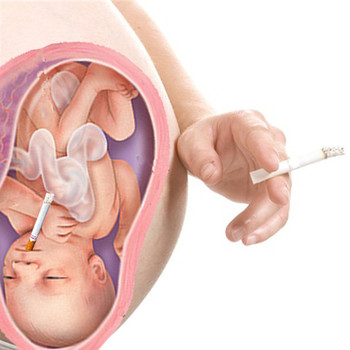
 Smoking and pregnancy
Smoking is always a bad habit. Smoking and pregnancy don't mix well — but you can take steps to boost your odds of quitting for good. Here's what you need to know about smoking and pregnancy.
Smoking affect fertility
You probably know the general risks of smoking — from smelly clothes and wrinkles to heart disease and lung cancer. If you smoke and you're pregnant or planning to become pregnant, however, you have even more incentive to quit. Smoking can make it harder for you to get pregnant. Smoking also increases the risk of ectopic pregnancy — when the fertilized egg implants outside the uterus, usually in a fallopian tube.
Smoking during pregnancy affect a baby
Smoking during pregnancy exposes a baby to carbon monoxide, which limits the baby's supply of oxygen and the delivery of nutrients. Exposure to nicotine also increases a baby's heart rate and reduces fetal breathing movements. Smoking during pregnancy has been linked with other problems as well, including:
Vaginal bleeding
Problems with the placenta, such as when the placenta partially or totally covers the cervix (placenta previa) or when the placenta separates from the inner wall of the uterus before delivery (placental abruption)
Low birth weight
Preterm premature rupture of the membranes — when the fluid-filled membrane that surrounds and cushions the baby during pregnancy (amniotic sac) leaks or breaks before labor begins and before week 37 of pregnancy
Preterm labor
Premature birth
Birth defects involving the heart, limbs, skull, muscles and other areas
Pregnancy loss
Smoking during pregnancy can also affect a baby after he or she is born, increasing the risk of:
- Sudden infant death syndrome (SIDS)
- Colic
- Asthma
- Respiratory infections
Childhood obesity
Some research also suggests that smoking during pregnancy might affect a child's emotional development, behavior and ability to learn. Smoking during pregnancy might even impair a child's own fertility.
Exposure to secondhand smoke affect pregnancy
Breathing secondhand smoke during pregnancy can also affect your baby's health. Women who don't smoke but are exposed to secondhand smoke are at increased risk of pregnancy loss or having a baby who has birth defects or a low birth weight.
Quitting smoking during pregnancy reduce a baby's health risks
If you smoke, quitting smoking during pregnancy is the best way to give your baby a healthy start. If you quit in the first four months of pregnancy, you might lower your risk of having a low birth weight baby to that of a nonsmoking woman. Quitting smoking during pregnancy can also reduce the risk of premature birth, pregnancy loss, infant death and other complications.
The safest way to quit smoking during pregnancy
The safest way to quit smoking during pregnancy is without the aid of medication. Start by consulting your health care provider for advice or seeking counseling. Then consider these practical tips:
- List the reasons you want to quit, such as protecting your baby's health.
- Get rid of any smoking materials — in the house, at work, in your bags and in the car.
- Avoid situations that make you want to smoke.
- Spend time with people who don't smoke, and visit places where smoking isn't allowed.
- Wait out cravings by running an errand or eating a healthy snack.
- With your care provider's OK, use physical activity to manage withdrawal symptoms.
- Make sure you have someone you can talk to when you need support.
Is it safe to use stop-smoking products during pregnancy?
If you're still having trouble quitting smoking, ask your health care provider about nicotine replacement products — such as a nicotine patch or inhaler, or nicotine gum, lozenges or nasal spray. Using any of these products to stop smoking will spare your baby exposure to many of the harmful chemicals found in cigarettes. But before that you must consult with your health care provider to weigh the risks and benefits in your case..
Stopping smoking is rarely easy. It might take more than one try to quit for good. Remember, however, it can be done — and your entire family will reap the benefits.
Courtesy: Health Prior 21.
 মেয়েলী যে কোনো সমস্যা হলেই গাইনি ডাক্তারের শরণাপন্ন হতে হয়। আর গাইনি ডাক্তারের শরনাপন্ন হতে অনেক নারীই কিছুটা দ্বিধাবোধ করেন। বিশেষ করে ডাক্তার যদি পুরুষ হয়ে থাকেন তাহলে অধিকাংশ সমস্যার কথাই জানাতে পারেন না নারীরা। গাইনি ডাক্তারের কাছে কিছু বিষয় লজ্জায় এড়িয়ে যান বেশিরভাগ রোগী। কিন্তু অত্যন্ত...
 বেসরকারি ফার্মে চাকরি করেন অর্ষা। প্রায়ই বাসায় ফেরার পর তাকে রাত জেগে অফিসের কাজ করতে হয়। রাত জেগে কাজ করার ফলে ভালো ঘুম হয় না। তাই পরদিন সকালে অফিসে যাওয়ার পর খুবই ক্লান্তি লাগে তার। মাঝেমধ্যে এ বিষয় নিয়ে তিনি দুশ্চিন্তায় পড়ে যান। ঠিকমতো ঘুমের অভাবে চোখের নিচেও কালি পড়েছে। প্রায়ই অফিসের...
 ছোট থেকে বড় সকলের কাছেই পেয়ারা খুবই প্রিয় একটি ফল৷ পেয়ারায় বিভিন্ন স্বাস্থ্য উপকারিতা রয়েছে, আর এই কারণেই এটি ‘সুপার ফ্রুট’ নামে পরিচিত৷ আপনিও জেনে নিন এই ‘সুপার ফ্রুট’এর গুণাগুণ৷
• শরীরের অতিরিক্ত শর্করা শুষে নিতে পারে পেয়ারা৷ এছাড়াও এতে...
ছোট থেকে বড় সকলের কাছেই পেয়ারা খুবই প্রিয় একটি ফল৷ পেয়ারায় বিভিন্ন স্বাস্থ্য উপকারিতা রয়েছে, আর এই কারণেই এটি ‘সুপার ফ্রুট’ নামে পরিচিত৷ আপনিও জেনে নিন এই ‘সুপার ফ্রুট’এর গুণাগুণ৷
• শরীরের অতিরিক্ত শর্করা শুষে নিতে পারে পেয়ারা৷ এছাড়াও এতে...
 গ্যাস্ট্রিক বা এসিডিটির সমস্যা আমাদের দেশে খুবই স্বাভাবিক ব্যপার। অনেককে বছরের প্রায় সময়ই ভূগতে হয় এ সমস্যায়। আধুনিক চিকিৎসা বিজ্ঞানে এর প্রতিকার হিসাবে পাওয়া যায় অনেক নামি দামি ওষুধ। কিন্তু আমাদের হাতের কাছের বিভিন্ন প্রকৃতিক জিনিস দিয়ে যদি করা যায় এর নিরাময়, তাহলে বাড়তি টাকা খরচ করার কি...
 ওজনটা নিয়ে অনেকেই বেশ বিপাকে আছেন। ওজন যত সহজে বাড়ে তত সহজে কমে না। কঠিন ডায়েট চার্ট, দীর্ঘ সময় ব্যায়াম করে ঘাম ঝরানোর কাজটাও খুবই কঠিন। তাই ওজন কমানোর ইচ্ছে থাকলেও কমানো হয়ে ওঠে না। যারা চট জলদি ওজন কমাতে চান একেবারে কষ্ট ছাড়াই তারা রাতের খাবারের মেন্যুটা একটু বদলে ফেলুন। রাতের খাবারে অন্য সব...
 ট্রেন কিংবা বাস স্টেশনে, লঞ্চঘাটে, স্টেডিয়ামে, হাট-বাজারে এখনো শোনা যায় ফেরিওয়ালার ডাক—‘এই ডিম ডিম ডিম...সেদ্ধ ডিম...মুরগির ডিম...হাঁসের ডিম।’ আর তা হবেইবা না কেন? সহজলভ্য পুষ্টির উত্স হিসেবে ডিমের তুলনা কেবল ডিমই হতে পারে। তাই বাড়িতে বা রেস্তোরাঁয় সকাল-বিকেলের নাশতাতেই হোক...