 Pregnancy and exercise
In fact, pregnancy can be a great time to get active. During pregnancy, exercise can help you stay in shape and prepare for labor and delivery.
During pregnancy, exercise can:
- Ease or prevent back pain and other discomforts
- Boost your energy level
- Prevent excess weight gain
- Reduce the risk of gestational diabetes, pregnancy-related high blood pressure and postpartum depression
- Increase stamina and muscle strength, which helps you prepare for labor
Pregnancy and exercise: Getting the OK
Before you begin an exercise program, make sure you have your health care provider's OK. Although exercise during pregnancy is generally good for both mother and baby, you'll need to proceed with caution if you have a history of preterm labor or certain medical conditions, including:
- Poorly controlled diabetes
- High blood pressure
- Heart disease
- Placenta previa, a problem with the placenta that can cause excessive bleeding before or during delivery
Pacing it for pregnancy
For most pregnant women, at least 30 minutes of moderate exercise is recommended on most, if not all, days of the week — but even shorter or less frequent workouts can help you stay in shape and prepare for labor.
Walking is a great exercise for beginners. It provides moderate aerobic conditioning with minimal stress on your joints. Other good choices include swimming, cycling on a stationary bike. Strength training is OK, too, as long as you avoid lifting heavy weights.
If you haven't exercised for a while, begin with as little as five minutes of physical activity a day. Build up to 10 minutes, 15 minutes, and so on, until you reach at least 30 minutes a day. If you exercised before pregnancy, you can probably continue to work out at the same level while you're pregnant — as long as you're feeling comfortable and your health care provider says it's OK.
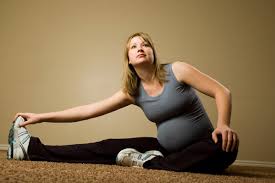
Remember to stretch before and after each workout. Drink plenty of fluids to stay hydrated, and be careful to avoid overheating. No matter how dedicated you are to being in shape, don't exercise to the point of exhaustion.
Activities to approach with care
If you're not sure whether a particular activity is safe during pregnancy, check with your health care provider. It's best to avoid any exercises that force you to lie flat on your back, especially as your pregnancy progresses. Avoid any type of heavy exercise such as skiing, diving, skating etc
Staying motivated
You're more likely to stick with an exercise plan if it involves activities you enjoy and fits into your daily schedule. Consider these simple tips:
Start small. You don't need to join a gym or don expensive workout clothes to get in shape. Just get moving. Try a daily walk through your neighborhood. Vary your route to keep it interesting.
Find a partner. Exercise can be more interesting if you use the time to chat with a friend. Better yet, involve the whole family.
Use a headset. Listen to music or a book while you exercise. Use lively songs to energize your workout.
Get creative. Don't limit yourself. Consider hiking, rowing or dancing.
Give yourself permission to rest. Your tolerance for strenuous exercise will probably decrease as your pregnancy progresses.
Listen to your body
As important as it is to exercise, it's also important to watch for danger signs. Stop exercising if you notice:
- Dizziness
- Headache
- Shortness of breath
- Chest pain
- Abdominal pain
- Vaginal bleeding
If your signs and symptoms continue after you stop exercising, contact your health care provider.
Courtesy: Health Prior 21
 মেয়েলী যে কোনো সমস্যা হলেই গাইনি ডাক্তারের শরণাপন্ন হতে হয়। আর গাইনি ডাক্তারের শরনাপন্ন হতে অনেক নারীই কিছুটা দ্বিধাবোধ করেন। বিশেষ করে ডাক্তার যদি পুরুষ হয়ে থাকেন তাহলে অধিকাংশ সমস্যার কথাই জানাতে পারেন না নারীরা। গাইনি ডাক্তারের কাছে কিছু বিষয় লজ্জায় এড়িয়ে যান বেশিরভাগ রোগী। কিন্তু অত্যন্ত...
 বেসরকারি ফার্মে চাকরি করেন অর্ষা। প্রায়ই বাসায় ফেরার পর তাকে রাত জেগে অফিসের কাজ করতে হয়। রাত জেগে কাজ করার ফলে ভালো ঘুম হয় না। তাই পরদিন সকালে অফিসে যাওয়ার পর খুবই ক্লান্তি লাগে তার। মাঝেমধ্যে এ বিষয় নিয়ে তিনি দুশ্চিন্তায় পড়ে যান। ঠিকমতো ঘুমের অভাবে চোখের নিচেও কালি পড়েছে। প্রায়ই অফিসের...
 ছোট থেকে বড় সকলের কাছেই পেয়ারা খুবই প্রিয় একটি ফল৷ পেয়ারায় বিভিন্ন স্বাস্থ্য উপকারিতা রয়েছে, আর এই কারণেই এটি ‘সুপার ফ্রুট’ নামে পরিচিত৷ আপনিও জেনে নিন এই ‘সুপার ফ্রুট’এর গুণাগুণ৷
• শরীরের অতিরিক্ত শর্করা শুষে নিতে পারে পেয়ারা৷ এছাড়াও এতে...
ছোট থেকে বড় সকলের কাছেই পেয়ারা খুবই প্রিয় একটি ফল৷ পেয়ারায় বিভিন্ন স্বাস্থ্য উপকারিতা রয়েছে, আর এই কারণেই এটি ‘সুপার ফ্রুট’ নামে পরিচিত৷ আপনিও জেনে নিন এই ‘সুপার ফ্রুট’এর গুণাগুণ৷
• শরীরের অতিরিক্ত শর্করা শুষে নিতে পারে পেয়ারা৷ এছাড়াও এতে...
 গ্যাস্ট্রিক বা এসিডিটির সমস্যা আমাদের দেশে খুবই স্বাভাবিক ব্যপার। অনেককে বছরের প্রায় সময়ই ভূগতে হয় এ সমস্যায়। আধুনিক চিকিৎসা বিজ্ঞানে এর প্রতিকার হিসাবে পাওয়া যায় অনেক নামি দামি ওষুধ। কিন্তু আমাদের হাতের কাছের বিভিন্ন প্রকৃতিক জিনিস দিয়ে যদি করা যায় এর নিরাময়, তাহলে বাড়তি টাকা খরচ করার কি...
 ওজনটা নিয়ে অনেকেই বেশ বিপাকে আছেন। ওজন যত সহজে বাড়ে তত সহজে কমে না। কঠিন ডায়েট চার্ট, দীর্ঘ সময় ব্যায়াম করে ঘাম ঝরানোর কাজটাও খুবই কঠিন। তাই ওজন কমানোর ইচ্ছে থাকলেও কমানো হয়ে ওঠে না। যারা চট জলদি ওজন কমাতে চান একেবারে কষ্ট ছাড়াই তারা রাতের খাবারের মেন্যুটা একটু বদলে ফেলুন। রাতের খাবারে অন্য সব...
 ট্রেন কিংবা বাস স্টেশনে, লঞ্চঘাটে, স্টেডিয়ামে, হাট-বাজারে এখনো শোনা যায় ফেরিওয়ালার ডাক—‘এই ডিম ডিম ডিম...সেদ্ধ ডিম...মুরগির ডিম...হাঁসের ডিম।’ আর তা হবেইবা না কেন? সহজলভ্য পুষ্টির উত্স হিসেবে ডিমের তুলনা কেবল ডিমই হতে পারে। তাই বাড়িতে বা রেস্তোরাঁয় সকাল-বিকেলের নাশতাতেই হোক...