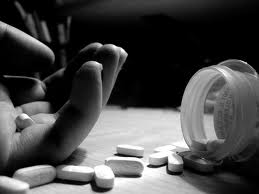
 সুইসাইড বা আত্মহত্যা প্রতিরোধে এর রিস্ক ফ্যাক্টরগুলো এবং সতর্ক সংকেতসমূহ জেনে নেয়া একান্ত প্রয়োজন।
সুইসাইড রিস্ক ফ্যাক্টর
কিছু কিছু অবস্থা কিংবা পরিস্থিতি সুইসাইডের ঝুঁকি বাড়িয়ে দেয়। যার মধ্যে আছেঃ
কোন নিকটজন বা প্রিয়তম বন্ধুর মৃত্যু কিংবা মূমূর্ষু অবস্থা।
ডিভোর্স অথবা সেপারেশন বা সম্পর্ক ভেঙ্গে যাওয়া।
স্বাস্থ্যের মারাত্মক অবনতি (শারীরিক কিংবা মানসিক)।
চাকরি থেকে বরখাস্ত হওয়া, গৃহহীন হওয়া, অর্থ, পদমর্যাদা হানি, নিজের সম্পর্কে নিরাশ হওয়া অথবা ব্যক্তিগত নিরাপত্তা চরমভাবে ক্ষুন্ন হওয়া।
এ্যালকোহল বা ড্রাগে আসক্ত হওয়া।
হতাশায় ডুবে যাওয়া।
এছাড়া যেসব সময়ে মানুষ সুইসাইড এর ভাবনায় নিমগ্ন থাকতে পারে, সেগুলো হলঃ
- ছুটির দিনগুলি।
- বিভিন্ন বার্ষিকী যেমন জন্ম, বিয়ে কিংবা মৃত্যু ইত্যাদি।
- চরম রোগ ভোগের পর হাসপাতাল থেকে ছাড়া পাওয়ার প্রথম সপ্তাহ।
- এন্টি-ডিপ্রেসেন্ট ঔষধ গ্রহনের শুরুর দিনগুলি।
- মারাত্মক কোন রোগ সনাক্ত হওয়ার পর পর।
- সাজা ঘোষনার পূর্বে এবং চলাকালীন সময়ে।
যেসব কারনে আবেগতাড়িত হয়ে সুইসাইড ভাবনা আসেঃ
- অসহ্য যন্ত্রণা
- সম্পূর্ন আশাহত হওয়া
- পুরোপুরি ক্ষমতাহীন হওয়া
- অকর্মন্যতা, লজ্জা, দোষী সাব্যস্ত হওয়া, নিজের প্রতি চরম ঘৃনা
- নিয়ন্ত্রন হারানোর ভয় এবং নিজের বা অন্যের দ্বারা মারাত্মক ক্ষতির সম্ভাবনা
যাদের আচরনগত সমস্যা আছেঃ
বিষন্ন/বিমর্ষ, সামাজিক মেলামেশা বন্ধ করে দেয়া, ক্লান্তি, আগ্রহহীনতা, উদবিগ্নতা, রাগে ফেটে পড়া।
স্কুলে, কাজে কিংবা অন্যান্য কার্যকলাপে যথাযথ পারফর্ম বা নৈপুন্য না করতে পারা।
সামাজিকভাবে একঘরে হয়ে পড়া অথবা ভুল জায়গায় গিয়ে অপমানিত হওয়া।
সেক্স এ আনন্দ না পাওয়া, বন্ধুদের আড্ডা কিংবা অন্য কোন কাজে আনন্দ না পাওয়া।
ব্যক্তিগত কল্যান বা মঙ্গল অবহেলিত হওয়া।
খাওয়া কিংবা ঘুমানোর অভ্যাসে জটিল কোন পরিবর্তন হওয়া।
এ্যাবাউট ডট কম গাইড থেকে সংক্ষেপিত
সৌজন্যেঃ হেলথ প্রায়র ২১
 মেয়েলী যে কোনো সমস্যা হলেই গাইনি ডাক্তারের শরণাপন্ন হতে হয়। আর গাইনি ডাক্তারের শরনাপন্ন হতে অনেক নারীই কিছুটা দ্বিধাবোধ করেন। বিশেষ করে ডাক্তার যদি পুরুষ হয়ে থাকেন তাহলে অধিকাংশ সমস্যার কথাই জানাতে পারেন না নারীরা। গাইনি ডাক্তারের কাছে কিছু বিষয় লজ্জায় এড়িয়ে যান বেশিরভাগ রোগী। কিন্তু অত্যন্ত...
 বেসরকারি ফার্মে চাকরি করেন অর্ষা। প্রায়ই বাসায় ফেরার পর তাকে রাত জেগে অফিসের কাজ করতে হয়। রাত জেগে কাজ করার ফলে ভালো ঘুম হয় না। তাই পরদিন সকালে অফিসে যাওয়ার পর খুবই ক্লান্তি লাগে তার। মাঝেমধ্যে এ বিষয় নিয়ে তিনি দুশ্চিন্তায় পড়ে যান। ঠিকমতো ঘুমের অভাবে চোখের নিচেও কালি পড়েছে। প্রায়ই অফিসের...
 ছোট থেকে বড় সকলের কাছেই পেয়ারা খুবই প্রিয় একটি ফল৷ পেয়ারায় বিভিন্ন স্বাস্থ্য উপকারিতা রয়েছে, আর এই কারণেই এটি ‘সুপার ফ্রুট’ নামে পরিচিত৷ আপনিও জেনে নিন এই ‘সুপার ফ্রুট’এর গুণাগুণ৷
• শরীরের অতিরিক্ত শর্করা শুষে নিতে পারে পেয়ারা৷ এছাড়াও এতে...
ছোট থেকে বড় সকলের কাছেই পেয়ারা খুবই প্রিয় একটি ফল৷ পেয়ারায় বিভিন্ন স্বাস্থ্য উপকারিতা রয়েছে, আর এই কারণেই এটি ‘সুপার ফ্রুট’ নামে পরিচিত৷ আপনিও জেনে নিন এই ‘সুপার ফ্রুট’এর গুণাগুণ৷
• শরীরের অতিরিক্ত শর্করা শুষে নিতে পারে পেয়ারা৷ এছাড়াও এতে...
 গ্যাস্ট্রিক বা এসিডিটির সমস্যা আমাদের দেশে খুবই স্বাভাবিক ব্যপার। অনেককে বছরের প্রায় সময়ই ভূগতে হয় এ সমস্যায়। আধুনিক চিকিৎসা বিজ্ঞানে এর প্রতিকার হিসাবে পাওয়া যায় অনেক নামি দামি ওষুধ। কিন্তু আমাদের হাতের কাছের বিভিন্ন প্রকৃতিক জিনিস দিয়ে যদি করা যায় এর নিরাময়, তাহলে বাড়তি টাকা খরচ করার কি...
 ওজনটা নিয়ে অনেকেই বেশ বিপাকে আছেন। ওজন যত সহজে বাড়ে তত সহজে কমে না। কঠিন ডায়েট চার্ট, দীর্ঘ সময় ব্যায়াম করে ঘাম ঝরানোর কাজটাও খুবই কঠিন। তাই ওজন কমানোর ইচ্ছে থাকলেও কমানো হয়ে ওঠে না। যারা চট জলদি ওজন কমাতে চান একেবারে কষ্ট ছাড়াই তারা রাতের খাবারের মেন্যুটা একটু বদলে ফেলুন। রাতের খাবারে অন্য সব...
 ট্রেন কিংবা বাস স্টেশনে, লঞ্চঘাটে, স্টেডিয়ামে, হাট-বাজারে এখনো শোনা যায় ফেরিওয়ালার ডাক—‘এই ডিম ডিম ডিম...সেদ্ধ ডিম...মুরগির ডিম...হাঁসের ডিম।’ আর তা হবেইবা না কেন? সহজলভ্য পুষ্টির উত্স হিসেবে ডিমের তুলনা কেবল ডিমই হতে পারে। তাই বাড়িতে বা রেস্তোরাঁয় সকাল-বিকেলের নাশতাতেই হোক...
.jpg&w=60&h=60&zc=2)