৫। যোনীপথের শুষ্কতা
যেহেতু ইস্ট্রোজেন হরমোন কমে যেতে থাকে তাই এ সময়ে শরীরের বিভিন্ন স্থান যেমন ত্বক, চুলের গোড়া, অন্যান্য স্পর্শকাতর স্থান যেমন যোনী ইত্যাদির আর্দ্রতা ও লুব্রিকেশন বা তেলতেলেভাব কমে যায়, শুষ্কতা দেখা দেয়। যৌন সঙ্গমে অস্বস্তি এবং ব্যাথা অনুভূত হয়। কাজেই শরীরের আর্দ্রতা বজায় রাখার জন্য, আনন্দময় যৌনানুভূতির জন্য একজন অভিজ্ঞ গাইনোকোলজিস্টের পরামর্শক্রমে ময়েশ্চারাইজার ও লুব্রিকেন্ট ব্যবহার করতে পারেন।
৬। খিটখিটে মেজাজ (সুইং মুড)
প্রেগনেন্সি কিংবা মেনোপজ শরীরের বিভিন্ন হরমোন নিঃসরনে একধরনের ভারসাম্যহীন অবস্থার সৃষ্টি করে। ফলে প্রায়শঃই অস্থির লাগা, হঠাৎ রেগে যাওয়া, কোন কারন ছাড়াই চেঁচামেচি, কান্নাকাটি করা ইত্যাদি আচরন দেখা যায়। এর সাথে যদি যোগ হয় ঘুমের সমস্যা, ভয় কিংবা সন্দেহ, তাহলে তা শরীরের উপর ভয়ানক রকমের প্রতিক্রিয়া সৃষ্টি করে পারে। হয়ে উঠতে পারে খেয়ালী।

৭। স্তন ব্যাথা
স্তনে স্পর্শ করলে ব্যাথা বা যন্ত্রণা দেখা দেওয়া, নাজুক বা স্পর্শকাতর হওয়া এ সময়ের অন্যতম লক্ষণ। যদিও এ লক্ষণগুলো অন্য সময় যেমন, মাসিককালীন কিংবা গর্ভাবস্থায়ও দেখা দেয় বা দিতে পারে। এ সময়ে বিভিন্ন হরমোনের পরিবর্তনের পাশাপাশি পানি ধারন, স্তন গ্রন্থির ফুলে যাওয়া ইত্যাদি সমস্যার কারনে এরকম অবস্থার সৃষ্টি হয়। আর এ অবস্থার নিরসনে আপনি যা করতে পারেন, তা হল একটা মানানসই, আরামদায়ক ব্রা পরিধান করতে পারেন, অতিরিক্ত ক্যাফেইন গ্রহণ বর্জন করতে পারেন।

৮। তীব্র মাথা ব্যাথা
শরীরে হরমোনাল চেইঞ্জ হচ্ছে আর এর পাশাপাশি আপনি যদি ক্যাফেইন জাতীয় খাবার বেশি গ্রহণ করেন, তাহলে তা আপনার মস্তিষ্কের স্নায়ুতেও পরিবর্তন আনতে পারে। পেরি-মেনোপজের অন্যতম একটি লক্ষণ হল মাইগ্রেইন। এর থেকে পরিত্রাণ পেতে হলে আপনাকে অতিরিক্ত কফি কিংবা ক্যাফেইন জাতীয় খাবার গ্রহণ কমিয়ে দিতে হবে, শব্দ বা গোলমাল থেকে দূরে থাকতে হবে, তীব্র ও উজ্জ্বল আলো এড়িয়ে চলতে পারেন।

৯। যৌন আকাংখা কমে যাওয়া
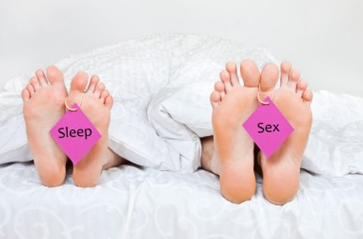
যেহেতু এটি একটি ট্রাঞ্জিশন পিরিয়ড, তাই এ সময়ে শরীর হয়তো চাইছে না গর্ভধারণ প্রক্রিয়ায় যেতে। ফলে সেক্সের আগ্রহটা কমে যায়। আবার অনেকে অতি সচেতন হয়ে পড়ে, সেক্সের আগ্রহ হারিয়ে ফেলে। দেহের বিভিন্ন পরিবর্তনে এক্সট্রিম অনুভূতির কারনে এ অবস্থার সৃষ্টি হয়। এ সময়ে টেস্টোস্টেরন হরমোন থেরাপি অনেক ক্ষেত্রে ভাল কাজ করে।

১০। অসংযত ইন্দ্রিয়
মল-মূত্র নিয়ন্ত্রণে রাখতে অসমর্থ হওয়ার মত অস্বস্তিকর অবস্থার সৃষ্টি হয়। ইস্ট্রোজেন কমে যাওয়ার ফলে পেরি-মেনোপজ চলাকালীন সময়ে মূত্রথলি অসংযত হয়ে পড়ে। পেলভিক অঞ্চল ও মূত্রথলির পেশিসমূহ স্বাভাবিকের চেয়ে দূর্বল হয়ে পড়ে। এ সময়ে ‘কেগেল’ ব্যায়াম বেশ উপকারী।
এ্যাক্টিভ বীট ডট কম থেকে হেলথ প্রায়র ২১
 মেয়েলী যে কোনো সমস্যা হলেই গাইনি ডাক্তারের শরণাপন্ন হতে হয়। আর গাইনি ডাক্তারের শরনাপন্ন হতে অনেক নারীই কিছুটা দ্বিধাবোধ করেন। বিশেষ করে ডাক্তার যদি পুরুষ হয়ে থাকেন তাহলে অধিকাংশ সমস্যার কথাই জানাতে পারেন না নারীরা। গাইনি ডাক্তারের কাছে কিছু বিষয় লজ্জায় এড়িয়ে যান বেশিরভাগ রোগী। কিন্তু অত্যন্ত...
 বেসরকারি ফার্মে চাকরি করেন অর্ষা। প্রায়ই বাসায় ফেরার পর তাকে রাত জেগে অফিসের কাজ করতে হয়। রাত জেগে কাজ করার ফলে ভালো ঘুম হয় না। তাই পরদিন সকালে অফিসে যাওয়ার পর খুবই ক্লান্তি লাগে তার। মাঝেমধ্যে এ বিষয় নিয়ে তিনি দুশ্চিন্তায় পড়ে যান। ঠিকমতো ঘুমের অভাবে চোখের নিচেও কালি পড়েছে। প্রায়ই অফিসের...
 ছোট থেকে বড় সকলের কাছেই পেয়ারা খুবই প্রিয় একটি ফল৷ পেয়ারায় বিভিন্ন স্বাস্থ্য উপকারিতা রয়েছে, আর এই কারণেই এটি ‘সুপার ফ্রুট’ নামে পরিচিত৷ আপনিও জেনে নিন এই ‘সুপার ফ্রুট’এর গুণাগুণ৷
• শরীরের অতিরিক্ত শর্করা শুষে নিতে পারে পেয়ারা৷ এছাড়াও এতে...
ছোট থেকে বড় সকলের কাছেই পেয়ারা খুবই প্রিয় একটি ফল৷ পেয়ারায় বিভিন্ন স্বাস্থ্য উপকারিতা রয়েছে, আর এই কারণেই এটি ‘সুপার ফ্রুট’ নামে পরিচিত৷ আপনিও জেনে নিন এই ‘সুপার ফ্রুট’এর গুণাগুণ৷
• শরীরের অতিরিক্ত শর্করা শুষে নিতে পারে পেয়ারা৷ এছাড়াও এতে...
 গ্যাস্ট্রিক বা এসিডিটির সমস্যা আমাদের দেশে খুবই স্বাভাবিক ব্যপার। অনেককে বছরের প্রায় সময়ই ভূগতে হয় এ সমস্যায়। আধুনিক চিকিৎসা বিজ্ঞানে এর প্রতিকার হিসাবে পাওয়া যায় অনেক নামি দামি ওষুধ। কিন্তু আমাদের হাতের কাছের বিভিন্ন প্রকৃতিক জিনিস দিয়ে যদি করা যায় এর নিরাময়, তাহলে বাড়তি টাকা খরচ করার কি...
 ওজনটা নিয়ে অনেকেই বেশ বিপাকে আছেন। ওজন যত সহজে বাড়ে তত সহজে কমে না। কঠিন ডায়েট চার্ট, দীর্ঘ সময় ব্যায়াম করে ঘাম ঝরানোর কাজটাও খুবই কঠিন। তাই ওজন কমানোর ইচ্ছে থাকলেও কমানো হয়ে ওঠে না। যারা চট জলদি ওজন কমাতে চান একেবারে কষ্ট ছাড়াই তারা রাতের খাবারের মেন্যুটা একটু বদলে ফেলুন। রাতের খাবারে অন্য সব...
 ট্রেন কিংবা বাস স্টেশনে, লঞ্চঘাটে, স্টেডিয়ামে, হাট-বাজারে এখনো শোনা যায় ফেরিওয়ালার ডাক—‘এই ডিম ডিম ডিম...সেদ্ধ ডিম...মুরগির ডিম...হাঁসের ডিম।’ আর তা হবেইবা না কেন? সহজলভ্য পুষ্টির উত্স হিসেবে ডিমের তুলনা কেবল ডিমই হতে পারে। তাই বাড়িতে বা রেস্তোরাঁয় সকাল-বিকেলের নাশতাতেই হোক...

.jpeg&w=60&h=60&zc=2)
.jpg&w=60&h=60&zc=2)


.jpg&w=60&h=60&zc=2)