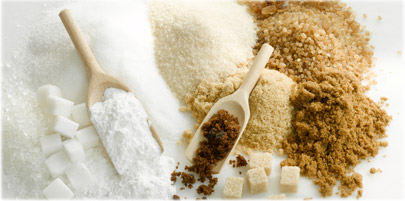
 Talk about a sweet tooth. We eat and drink 22 teaspoons -- or almost half a cup -- of added sugar each day. That's way more than the American Heart Association recommends: 6 teaspoons per day for women and 9 for men. Our sweets add up: Americans basically consume their weight -- about 142 pounds -- in sugar in just one year.
Added sugars include all kinds of sugars and syrups that are put in a product during processing to make it taste better. They have little nutritional value other than giving you extra calories.
Stevia sweeteners are made from the leaf of the stevia plant. They can be as much as 300 times sweeter than regular sugar, but have zero calories. For a sweetener, stevia often can have a bitter aftertaste. Because the stevia leaf has to be processed to make the sweetener, some question whether stevia really can be called all natural.
1/4 tea spoon suger= 1 gm of sugar
Think about a teaspoon of sugar. That's what about 4 grams of sugar looks like. A 12-ounce can of regular cola has about 40 grams -- or 10 teaspoons -- of sugar!
Want something healthier? Add only a teaspoon of sugar to iced tea and that's only 4 grams of sugar. Or drink unsweetened tea for zero sugar.
Humans are hardwired to prefer sweet from birth. Sugars are a type of carbohydrate. When we eat carbs, they stimulate the release of the feel-good brain chemical serotonin. Most brain cells are influenced in some way by serotonin. This includes brain cells related to mood, sexual function, sleep, memory and learning, and appetite. No wonder sweet things make us feel so good.
Soda, fruit drinks and juices, sports drinks, energy drinks, and other sugar-sweetened beverages are the No. 1 source of added sugar in American diets. A recent study found that drinking one or two sugary drinks a day raises the risk of type 2 diabetes by 26% compared with those who limit sweet drinks to just one a month.
But don't blame just the usual sweet suspects like sodas, juices, candy, cakes, and cookies. Lots of added sugars lurk in dairy desserts and products (ice cream, sweetened yogurt) and cereals.
The outside walls of a supermarket tend to be where staples are stocked. That's so shoppers have to move through the entire store to get to necessities like produce, milk, eggs, breads, meats, and fish -- which also happen to be the basis of a healthy diet that's low in added sugars.
Each "ose" indicates some type of sugar. But sucrose is the sugar found in the greatest concentration in sugarcane (a type of tall grass) and sugar beets (a root). And that's where our table sugar comes from. Lactose is the natural sugar in milk. Sucralose is an artificial sweetener.
The artificial sweetener -- which is 200 to 700 times sweeter than regular table sugar -- was once linked to bladder cancer in rats. But in 2000, the U.S. government removed saccharin from its list of potential cancer-causing agents in people.
It's easy to think that you can just skip packaged foods and drinks and you'll avoid added sugars. But you can also find them in sweeteners you might use for cooking and baking -- like honey, fruit juice concentrate, and brown sugar.
Brazil gets credit for 25% of all the sugar produced in the world. During the most recent harvest, the country produced more than 38 million tons of sugar. About 2/3 of that sugar goes to more than 100 other countries. The United States ranks 11th when it comes to producing sugar.
Type 1 diabetes is genetic and triggered by unknown causes. Type 2 diabetes is caused by genetics and lifestyle factors, but not sugar specifically. However, being overweight and eating a high-calorie diet -- which often includes a lot of added sugar -- can raise your risk of developing type 2 diabetes.
 মেয়েলী যে কোনো সমস্যা হলেই গাইনি ডাক্তারের শরণাপন্ন হতে হয়। আর গাইনি ডাক্তারের শরনাপন্ন হতে অনেক নারীই কিছুটা দ্বিধাবোধ করেন। বিশেষ করে ডাক্তার যদি পুরুষ হয়ে থাকেন তাহলে অধিকাংশ সমস্যার কথাই জানাতে পারেন না নারীরা। গাইনি ডাক্তারের কাছে কিছু বিষয় লজ্জায় এড়িয়ে যান বেশিরভাগ রোগী। কিন্তু অত্যন্ত...
 বেসরকারি ফার্মে চাকরি করেন অর্ষা। প্রায়ই বাসায় ফেরার পর তাকে রাত জেগে অফিসের কাজ করতে হয়। রাত জেগে কাজ করার ফলে ভালো ঘুম হয় না। তাই পরদিন সকালে অফিসে যাওয়ার পর খুবই ক্লান্তি লাগে তার। মাঝেমধ্যে এ বিষয় নিয়ে তিনি দুশ্চিন্তায় পড়ে যান। ঠিকমতো ঘুমের অভাবে চোখের নিচেও কালি পড়েছে। প্রায়ই অফিসের...
 ছোট থেকে বড় সকলের কাছেই পেয়ারা খুবই প্রিয় একটি ফল৷ পেয়ারায় বিভিন্ন স্বাস্থ্য উপকারিতা রয়েছে, আর এই কারণেই এটি ‘সুপার ফ্রুট’ নামে পরিচিত৷ আপনিও জেনে নিন এই ‘সুপার ফ্রুট’এর গুণাগুণ৷
• শরীরের অতিরিক্ত শর্করা শুষে নিতে পারে পেয়ারা৷ এছাড়াও এতে...
ছোট থেকে বড় সকলের কাছেই পেয়ারা খুবই প্রিয় একটি ফল৷ পেয়ারায় বিভিন্ন স্বাস্থ্য উপকারিতা রয়েছে, আর এই কারণেই এটি ‘সুপার ফ্রুট’ নামে পরিচিত৷ আপনিও জেনে নিন এই ‘সুপার ফ্রুট’এর গুণাগুণ৷
• শরীরের অতিরিক্ত শর্করা শুষে নিতে পারে পেয়ারা৷ এছাড়াও এতে...
 গ্যাস্ট্রিক বা এসিডিটির সমস্যা আমাদের দেশে খুবই স্বাভাবিক ব্যপার। অনেককে বছরের প্রায় সময়ই ভূগতে হয় এ সমস্যায়। আধুনিক চিকিৎসা বিজ্ঞানে এর প্রতিকার হিসাবে পাওয়া যায় অনেক নামি দামি ওষুধ। কিন্তু আমাদের হাতের কাছের বিভিন্ন প্রকৃতিক জিনিস দিয়ে যদি করা যায় এর নিরাময়, তাহলে বাড়তি টাকা খরচ করার কি...
 ওজনটা নিয়ে অনেকেই বেশ বিপাকে আছেন। ওজন যত সহজে বাড়ে তত সহজে কমে না। কঠিন ডায়েট চার্ট, দীর্ঘ সময় ব্যায়াম করে ঘাম ঝরানোর কাজটাও খুবই কঠিন। তাই ওজন কমানোর ইচ্ছে থাকলেও কমানো হয়ে ওঠে না। যারা চট জলদি ওজন কমাতে চান একেবারে কষ্ট ছাড়াই তারা রাতের খাবারের মেন্যুটা একটু বদলে ফেলুন। রাতের খাবারে অন্য সব...
 ট্রেন কিংবা বাস স্টেশনে, লঞ্চঘাটে, স্টেডিয়ামে, হাট-বাজারে এখনো শোনা যায় ফেরিওয়ালার ডাক—‘এই ডিম ডিম ডিম...সেদ্ধ ডিম...মুরগির ডিম...হাঁসের ডিম।’ আর তা হবেইবা না কেন? সহজলভ্য পুষ্টির উত্স হিসেবে ডিমের তুলনা কেবল ডিমই হতে পারে। তাই বাড়িতে বা রেস্তোরাঁয় সকাল-বিকেলের নাশতাতেই হোক...