Best Foods for Your Skin
.jpg)
"The beauty of the skin is that you can affect it from both inside and out," says dermatologist Doris Day, MD, author of Forget the Facelift: Turn Back the Clock with a Revolutionary Program for Ageless Skin.
What You Eat Matters
Antioxidants such as beta-carotene and vitamins C, E, and A can curb the damage caused by unstable molecules known as free radicals. These molecules can harm skin cells and cause signs of aging.
One of the best ways to get more antioxidants is to eat a wide variety of fruits and vegetables.
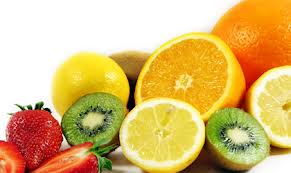
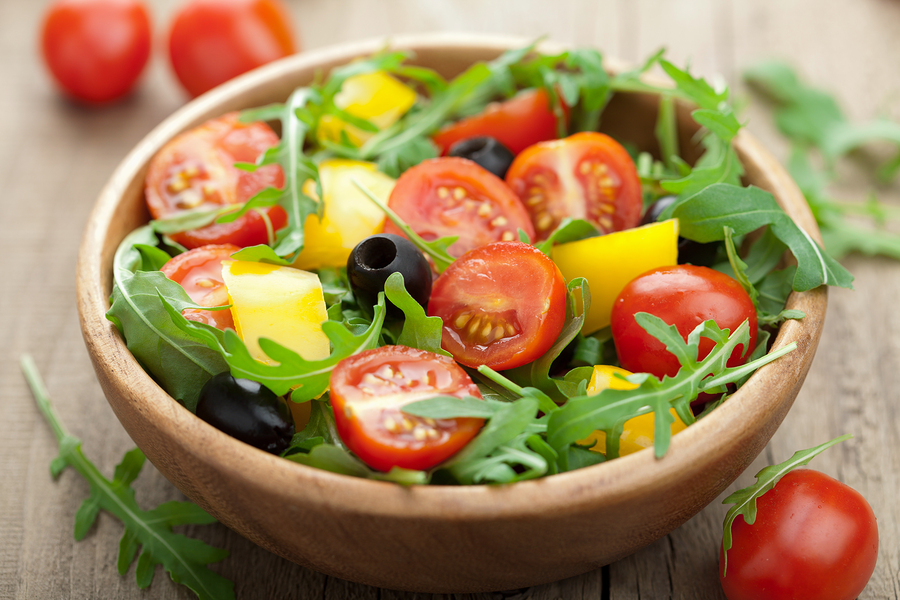
"I recommend going for as much variety and color as possible in your diet," Day says. "Try snacking on blueberries, strawberries, grapefruit, kale, spinach, and different kinds of peppers." She also suggests adding a little tomato paste, which contains an antioxidant called lycopene, to stir-fried vegetables, brown rice, or quinoa.
Another good idea is to stock your grocery cart with foods that are high in omega-3 fatty acids, including wild salmon, sardines, fortified eggs, and walnuts.
"Omega-3 fatty acids help keep the top outer layer of the skin strong and intact so that external toxins and pollutants are kept out," says dermatologist David E. Bank, MD, director of the Center for Dermatology, Cosmetic and Laser Surgery in Mount Kisco, N.Y.
What About Supplements?
But Bank suggests taking an over-the-counter daily multivitamin with minerals to boost your nutrient intake if you're not eating a balanced diet. It's also a good idea if you spend a lot of time outdoors or are exposed to high levels of air pollution and secondhand smoke.
Pay Attention to Your Skin's Overall Health

No matter what you eat, be sure to wear sunscreen with an SPF of at least 30 every day. The label should say "broad-spectrum," meaning that it protects against the sun's UVA and UVB rays. Apply a nickel-sized dollop of sunscreen to cover your face, says Woolery-Lloyd. If you’re going to be outside, limit your time in the sun, especially between the hours of 10 a.m. and 2 p.m. Always wear protective clothing and a wide-brimmed hat, seek the shade, wear sunscreen, and reapply at least every 2 hours, more if swimming or sweating.
Be Patient
১৪ জুলাই, ১৩
Viewed#: 159
Nutrients for Healthy Skin
What are the best foods for your skin and the best ways to get the vitamins and other nutrients your skin needs?
By Jen Uscher
Reviewed by Laura J. Martin, MD
You know that you need to nourish your skin to keep it as healthy as possible. But are you getting enough of the right nutrients from the foods you eat? Could you benefit from taking a supplement or trying an antioxidant-packed lotion?
"The beauty of the skin is that you can affect it from both inside and out," says dermatologist Doris Day, MD, author of Forget the Facelift: Turn Back the Clock with a Revolutionary Program for Ageless Skin.
What You Eat Matters
Eating plenty of fruits and vegetables rich in antioxidants is good for your whole body, including your skin.
Antioxidants such as beta-carotene and vitamins C, E, and A can curb the damage caused by unstable molecules known as free radicals. These molecules can harm skin cells and cause signs of aging.
One of the best ways to get more antioxidants is to eat a wide variety of fruits and vegetables.
"I recommend going for as much variety and color as possible in your diet," Day says. "Try snacking on blueberries, strawberries, grapefruit, kale, spinach, and different kinds of peppers." She also suggests adding a little tomato paste, which contains an antioxidant called lycopene, to stir-fried vegetables, brown rice, or quinoa.
Another good idea is to stock your grocery cart with foods that are high in omega-3 fatty acids, including wild salmon, sardines, fortified eggs, and walnuts.
"Omega-3 fatty acids help keep the top outer layer of the skin strong and intact so that external toxins and pollutants are kept out," says dermatologist David E. Bank, MD, director of the Center for Dermatology, Cosmetic and Laser Surgery in Mount Kisco, N.Y.
What About Supplements?
The ideal way to get the nutrients you need for a radiant complexion is eating a healthy, balanced diet.
But Bank suggests taking an over-the-counter daily multivitamin with minerals to boost your nutrient intake if you're not eating a balanced diet. It's also a good idea if you spend a lot of time outdoors or are exposed to high levels of air pollution and secondhand smoke.
Pay Attention to Your Skin's Overall Health
As important as it is to eat a healthy diet, your skin also needs you to not smoke, get enough sleep, exercise regularly, and drink enough water.
No matter what you eat, be sure to wear sunscreen with an SPF of at least 30 every day. The label should say "broad-spectrum," meaning that it protects against the sun's UVA and UVB rays. Apply a nickel-sized dollop of sunscreen to cover your face, says Woolery-Lloyd. If you’re going to be outside, limit your time in the sun, especially between the hours of 10 a.m. and 2 p.m. Always wear protective clothing and a wide-brimmed hat, seek the shade, wear sunscreen, and reapply at least every 2 hours, more if swimming or sweating.
Be Patient
To get results, give it time. "It may take three months to a year to really see an improvement in your skin," Bank says. "Go with what's tried and true and give it a solid chance to work."
Source: WebMD
Courtesy: Healthprior21
Next Health Tips:
Anti-Aging Skincare Essentials
Previous Health Tips:
Home Remedies to Remove Unwanted Hair Permenantly
 মেয়েলী যে কোনো সমস্যা হলেই গাইনি ডাক্তারের শরণাপন্ন হতে হয়। আর গাইনি ডাক্তারের শরনাপন্ন হতে অনেক নারীই কিছুটা দ্বিধাবোধ করেন। বিশেষ করে ডাক্তার যদি পুরুষ হয়ে থাকেন তাহলে অধিকাংশ সমস্যার কথাই জানাতে পারেন না নারীরা। গাইনি ডাক্তারের কাছে কিছু বিষয় লজ্জায় এড়িয়ে যান বেশিরভাগ রোগী। কিন্তু অত্যন্ত...
 বেসরকারি ফার্মে চাকরি করেন অর্ষা। প্রায়ই বাসায় ফেরার পর তাকে রাত জেগে অফিসের কাজ করতে হয়। রাত জেগে কাজ করার ফলে ভালো ঘুম হয় না। তাই পরদিন সকালে অফিসে যাওয়ার পর খুবই ক্লান্তি লাগে তার। মাঝেমধ্যে এ বিষয় নিয়ে তিনি দুশ্চিন্তায় পড়ে যান। ঠিকমতো ঘুমের অভাবে চোখের নিচেও কালি পড়েছে। প্রায়ই অফিসের...
 ছোট থেকে বড় সকলের কাছেই পেয়ারা খুবই প্রিয় একটি ফল৷ পেয়ারায় বিভিন্ন স্বাস্থ্য উপকারিতা রয়েছে, আর এই কারণেই এটি ‘সুপার ফ্রুট’ নামে পরিচিত৷ আপনিও জেনে নিন এই ‘সুপার ফ্রুট’এর গুণাগুণ৷
• শরীরের অতিরিক্ত শর্করা শুষে নিতে পারে পেয়ারা৷ এছাড়াও এতে...
ছোট থেকে বড় সকলের কাছেই পেয়ারা খুবই প্রিয় একটি ফল৷ পেয়ারায় বিভিন্ন স্বাস্থ্য উপকারিতা রয়েছে, আর এই কারণেই এটি ‘সুপার ফ্রুট’ নামে পরিচিত৷ আপনিও জেনে নিন এই ‘সুপার ফ্রুট’এর গুণাগুণ৷
• শরীরের অতিরিক্ত শর্করা শুষে নিতে পারে পেয়ারা৷ এছাড়াও এতে...
 গ্যাস্ট্রিক বা এসিডিটির সমস্যা আমাদের দেশে খুবই স্বাভাবিক ব্যপার। অনেককে বছরের প্রায় সময়ই ভূগতে হয় এ সমস্যায়। আধুনিক চিকিৎসা বিজ্ঞানে এর প্রতিকার হিসাবে পাওয়া যায় অনেক নামি দামি ওষুধ। কিন্তু আমাদের হাতের কাছের বিভিন্ন প্রকৃতিক জিনিস দিয়ে যদি করা যায় এর নিরাময়, তাহলে বাড়তি টাকা খরচ করার কি...
 ওজনটা নিয়ে অনেকেই বেশ বিপাকে আছেন। ওজন যত সহজে বাড়ে তত সহজে কমে না। কঠিন ডায়েট চার্ট, দীর্ঘ সময় ব্যায়াম করে ঘাম ঝরানোর কাজটাও খুবই কঠিন। তাই ওজন কমানোর ইচ্ছে থাকলেও কমানো হয়ে ওঠে না। যারা চট জলদি ওজন কমাতে চান একেবারে কষ্ট ছাড়াই তারা রাতের খাবারের মেন্যুটা একটু বদলে ফেলুন। রাতের খাবারে অন্য সব...
 ট্রেন কিংবা বাস স্টেশনে, লঞ্চঘাটে, স্টেডিয়ামে, হাট-বাজারে এখনো শোনা যায় ফেরিওয়ালার ডাক—‘এই ডিম ডিম ডিম...সেদ্ধ ডিম...মুরগির ডিম...হাঁসের ডিম।’ আর তা হবেইবা না কেন? সহজলভ্য পুষ্টির উত্স হিসেবে ডিমের তুলনা কেবল ডিমই হতে পারে। তাই বাড়িতে বা রেস্তোরাঁয় সকাল-বিকেলের নাশতাতেই হোক...